Menu

17
2026
-
03
Choose the Right Skincare OEM Manufacturer: A Guide for Global Brands
Selecting the right partner involves navigating compliance, quality control, customization, and supply chain efficiency—this guide helps you find the ideal fit.
The global skincare market is booming, and building a successful brand requires a reliable OEM manufacturer to turn your ideas into high-quality, compliant products. For international brands, selecting the right partner involves navigating compliance, quality control, customization, and supply chain efficiency—this guide helps you find the ideal fit.
Why Choosing the Right Skincare OEM Manufacturer Matters
Your skincare OEM is a strategic partner; a subpar one risks delays, poor quality, regulatory issues, and brand damage. A reliable partner will:
- Meet strict regulatory standards (EU, US, Canada, UAE, etc.)
- Maintain consistent batch quality to protect your brand reputation
- Offer flexible customization for your unique product concepts
- Optimize supply chains to cut costs and speed up time-to-market
- Provide expert support in formulation, packaging, and compliance
- For global brands, partnering with an OEM that understands international markets is key—whether you’re a startup or established brand.
Key Factors to Evaluate When Selecting a Skincare OEM
Prioritize these factors to ensure success; they align with Google’s search intent for keywords like “skincare OEM manufacturer” and “compliant skincare production.”
1. Regulatory Compliance & Certifications
Regulatory compliance is non-negotiable. A reputable OEM should understand market-specific rules and hold relevant certifications:
- EU Markets: Compliance with Regulation (EC) No 1223/2009, CPSR, PIF, and CPNP registration.
- US Markets: FDA Facility Registration, Product Listing, and FDA regulation adherence.
- Global Certifications: ISO 22716, REACH, TSCA, and halal certification (as needed).
- Ask for compliance documentation—transparency is a sign of trust.
2. Customization Capabilities (OEM vs. ODM vs. Private Label)
Clarify your needs by understanding the three models:
- OEM: You own the formula/specs; manufacturer handles production—ideal for established/visionary brands.
- ODM: Manufacturer provides pre-developed formulas/designs for customization—great for startups.
- Private Label: Ready-made products with your logo—quickest option for newcomers.
- Choose an OEM with flexible customization and a dedicated R&D team to bring your vision to life.
3. Quality Control & Ingredient Sourcing
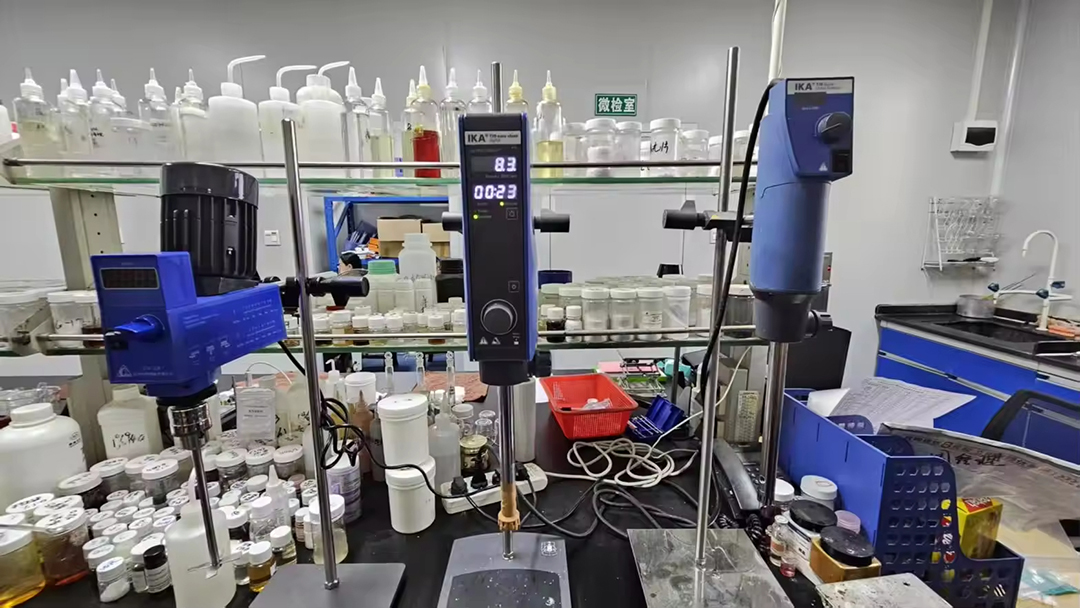
Quality is foundational. Look for strict QC processes at every production stage:
- Transparent, ethical ingredient sourcing with safety documentation.
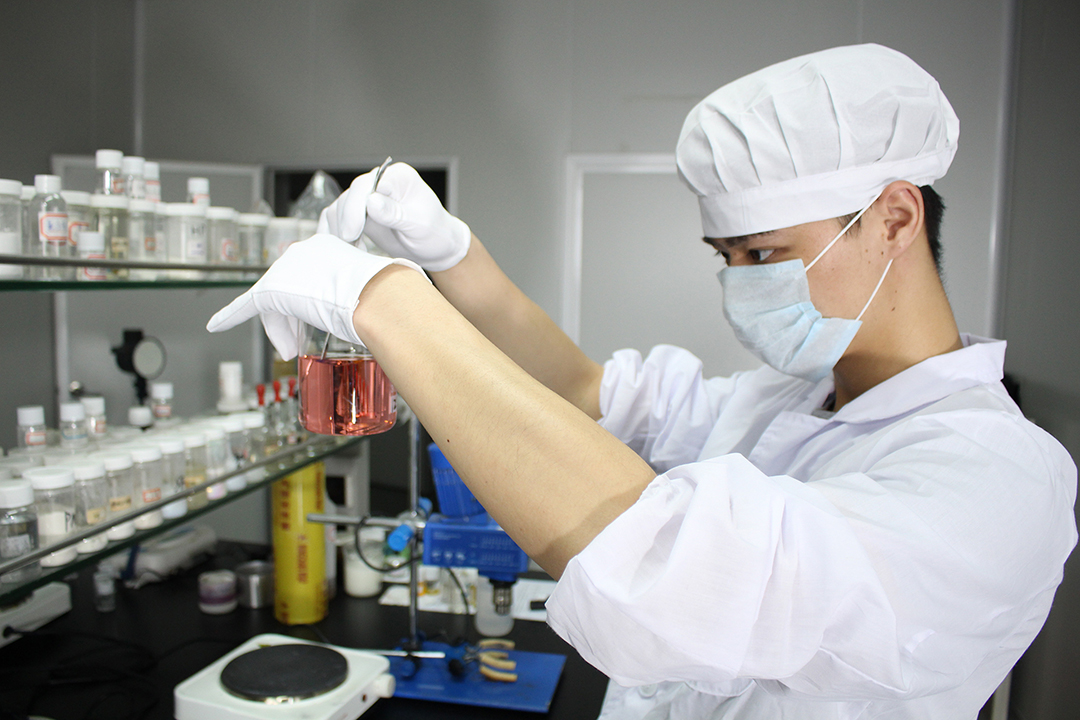
- In-house labs for microbial, heavy metal, and efficacy testing.
- Batch-to-batch quality checks to avoid inconsistencies.
- Adherence to sustainable, eco-friendly practices (consumer-friendly trends).
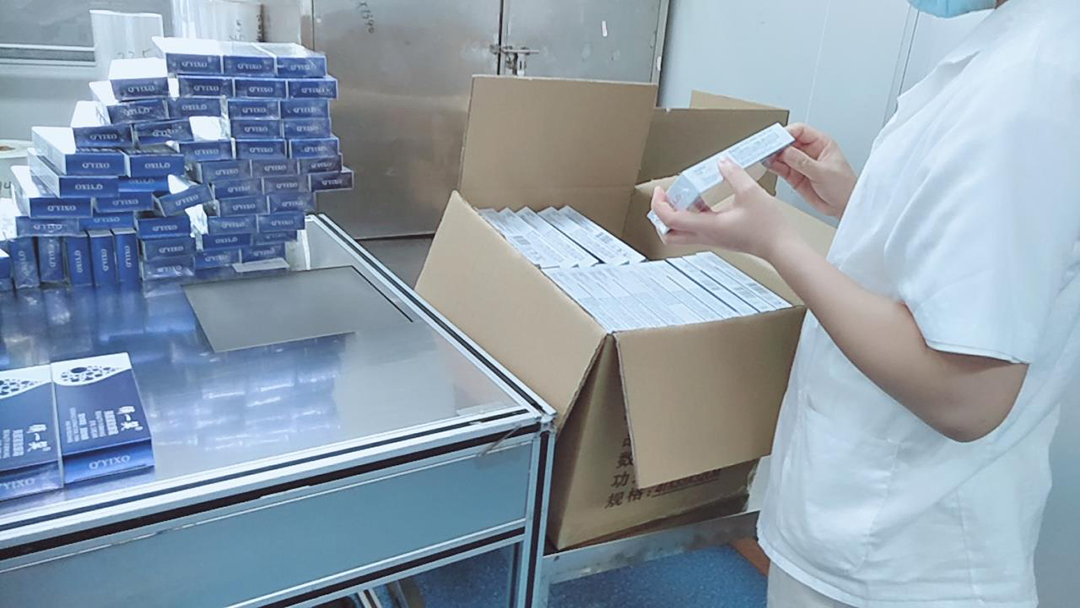
4. Production Capacity & Supply Chain Efficiency
Evaluate production capabilities to meet global demand:
- Flexible MOQs (ideal for startups; high-volume capacity for larger brands).
- Fast, consistent lead times (15–45 days) to speed up time-to-market.
- Global logistics support to navigate customs and ensure timely delivery.
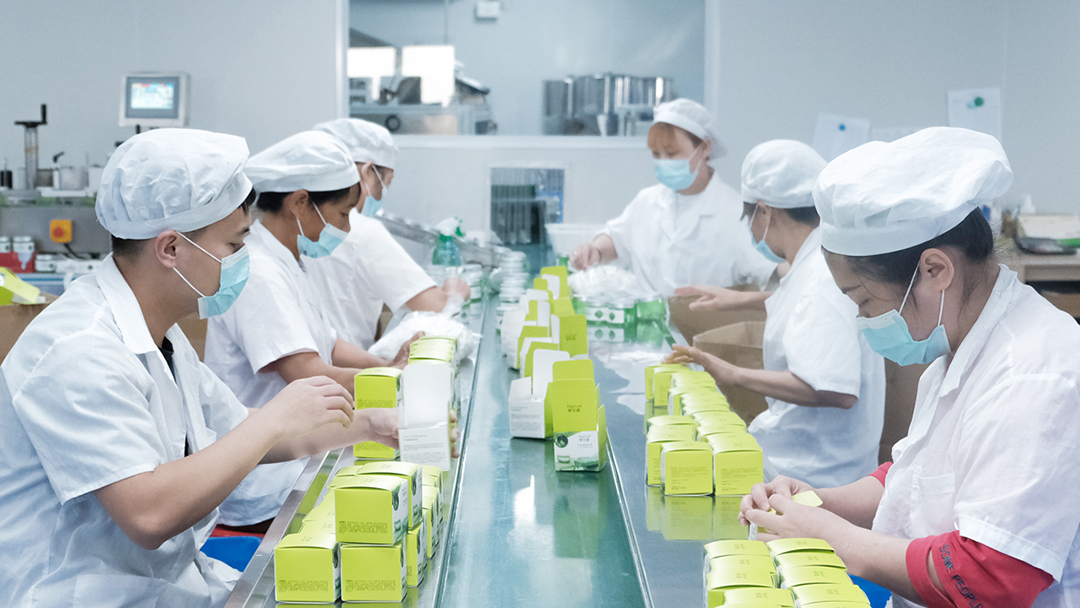
5. Transparency & Communication
Effective cross-timezone communication is essential. Look for:
- Fluent English-speaking account managers with regular updates.
- Transparent pricing with no hidden fees.
- Open access to facilities (in-person/virtual tours) to verify quality.
Keywords:



Hotline:
13924175895
Email:
admin@baoliskincare.com
Company Address:
Room 501, Building 3, No. 3, 5th Street, Gangpu Road, Longgui Street, Baiyun District, Guangzhou City
SAF Coolest v1.3 设置面板 GAGSD-ZGYF-JQSDE-ZSA
无数据提示
Sorry,No content!
You can view other sections or return to the Home Page